 L'Amade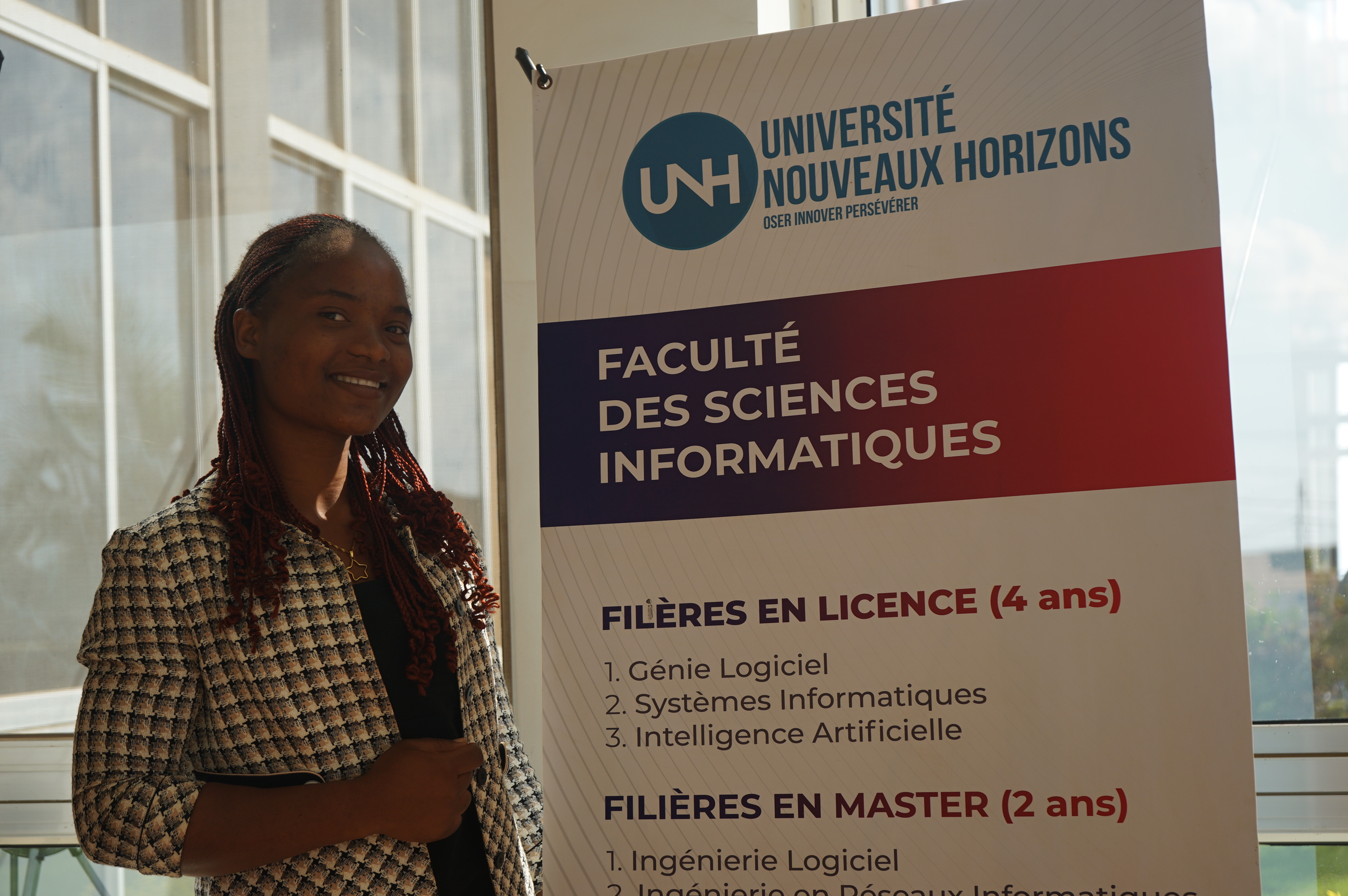
In light of its work to promote access to secondary education for young girls, the talents that have emerged from its various projects and its strong network of partners on the ground in the countries where it operates, AMADE is strengthening its ‘Dignity for Women’ programme.
Through a system of university scholarships, it is giving young women from AMADE's countries of operation who have successfully completed their secondary education the opportunity to realise their full potential by accessing excellent university education at highly renowned institutions.
In addition to this training, beneficiaries of the university scholarship programme join the programme's alumni network and have access to internship and mentoring opportunities.
Thanks to this programme, they are in turn able to contribute to the emergence of a generation of change-makers in their countries of origin, gain access to high-level employment and generate their own impact.
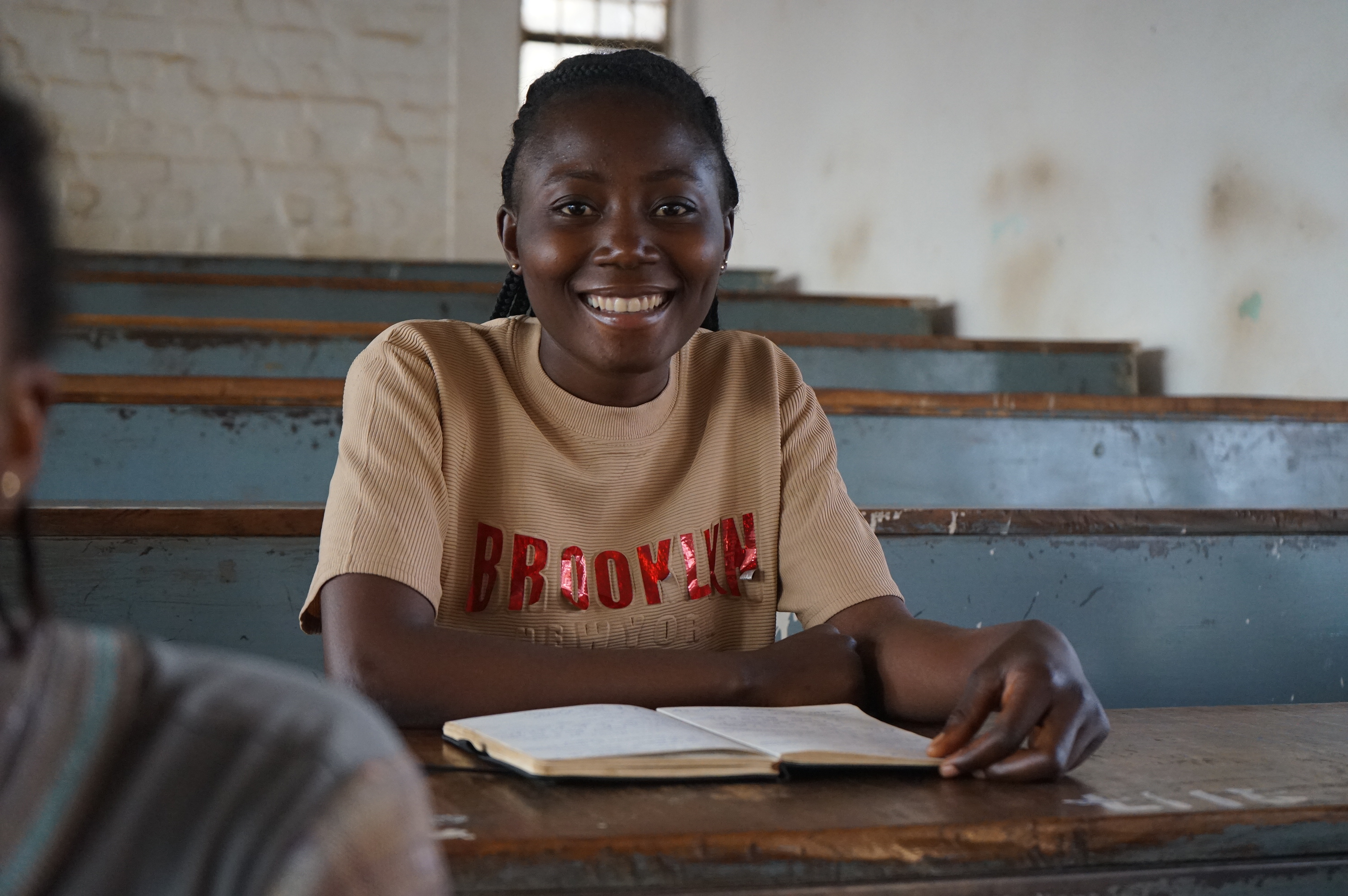
AMADE has the opportunity to launch this programme in the Democratic Republic of Congo thanks to the support of Mr Robert Levy and in partnership with the Malaika association, whose school provides 430 girls from the Kalebuka community with free access to quality primary and secondary education. Teaching is provided in French and English, and the curriculum focuses on Science, Technology, Engineering and Mathematics (STEM) as well as music, theatre, sport and art. The education, delivered by a committed and experienced teaching team, is based on a holistic approach and gives Malaika's students the opportunity to acquire both academic and soft skills that will enable them to be competitive in the job market after completing their university education.
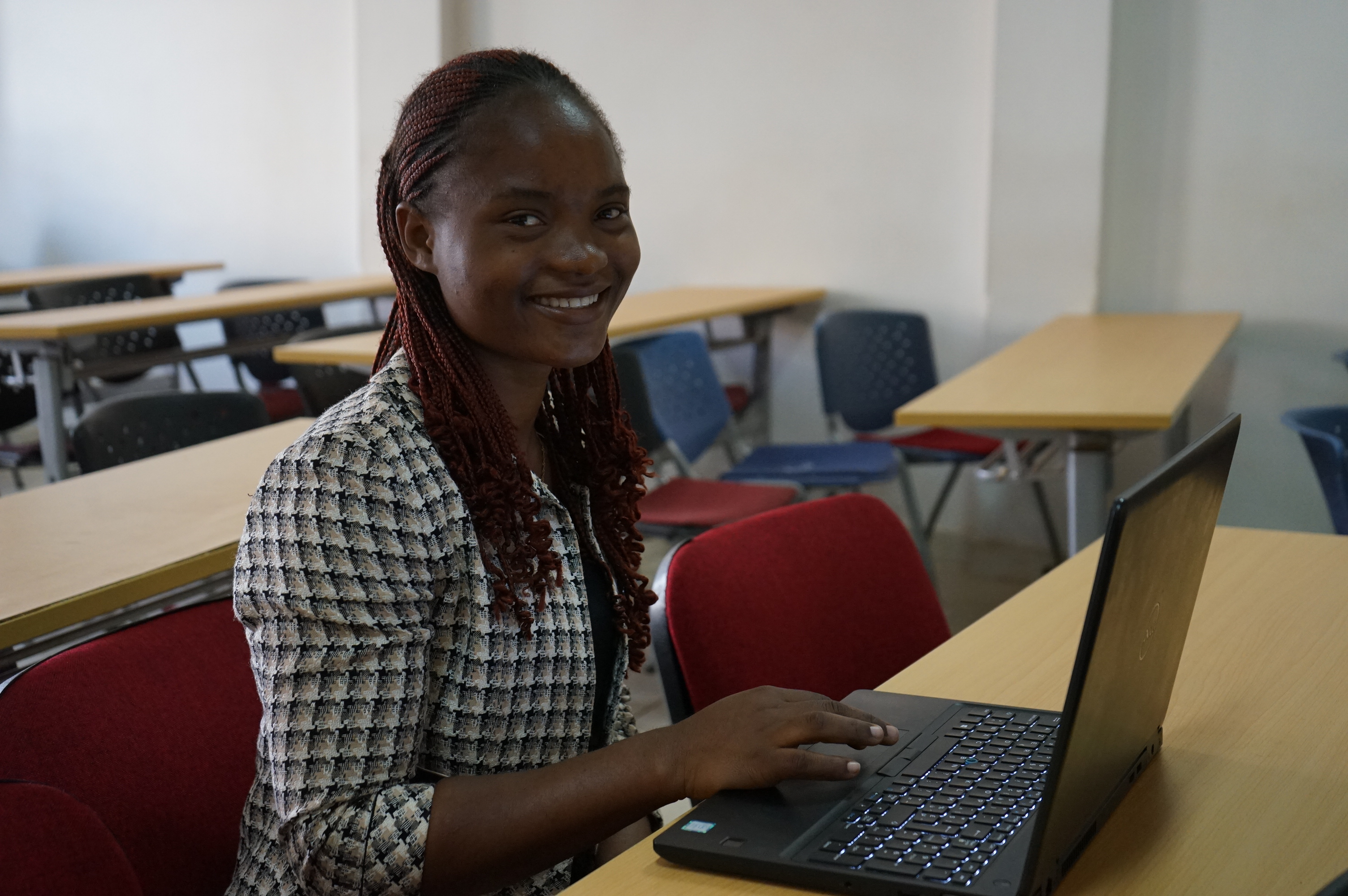
Female students who graduated in 2023 and 2024 now have access to higher education at private and public universities and vocational training institutions in Lubumbashi, in fields such as software engineering, civil engineering, journalism, medicine and accounting.
Following the field mission carried out during the summer of 2024 on the occasion of the graduation ceremony for the ‘Dr. Makawize Mandela’ class, six profiles were identified with the Malaika teams as likely to be eligible for the overseas scholarship programme, based on their academic performance and potential.
This scholarship programme, initiated and led by Mr. Levy, is intended to be rolled out on two levels.
Firstly, it will enable 34 female graduates to access and pursue university studies and professional training during the 2024-2025 academic year. Secondly, it will give six female students the opportunity to access university education at pan-African universities.
1. Identification of beneficiaries.
36 teenage girls are identified by Malaika's teaching teams to join the university scholarship programme.
2. Support for beneficiaries.
The Georges Malaika Foundation relies on the guidance centre at the Malaika school to implement this project. This centre, made up of employees and volunteers from the Malaika network, prepares and guides students from the second year onwards (career discovery, identification of universities, identification of university scholarship schemes).
3. Scope of the scholarship.
The scholarship is intended to cover tuition and academic fees for students studying in Lubumbashi during the 2024-2025 academic year.
4. Awarding of university scholarships in the local private and public university network for 22 students (2024-2025 academic year).
These students are pursuing university courses at private and public institutions in Lubumbashi in: software engineering, civil engineering, journalism and multimedia, journalism, psychology, medicine and paediatrics, chemistry, architecture, IT and multimedia, accounting, mining engineering, ecology, economics, teaching and physical education. Four students are taking vocational training courses in sewing and aesthetics.
5. Awarding of university scholarships within the Pan-African university network for six female students (academic year 2025-2026).
Among the 22 female students, based on their academic performance, four profiles have been identified to apply to universities abroad (Dorcas Mudimbi Ololo, Aimérance Ilunga Kapanda, Joséphine Mwanga Kassia and Evodie Ngoy Lusanga), subject to their admission to institutions within the Pan-African university network.
1. 34 Malaika graduates have access to university education
2. 6 Malaika graduates have access to high-level university education at pan-African universities
3. Students successfully complete their academic year.
4. A network of scholarship alumni is established.
5. Scholarship students are involved in community projects
6. Malaika's guidance centre is strengthened and becomes more effective
Promoting female leadership in the DRC – University scholarship programme
Make a donation-
Congo, The Democratic Republic Of The
Lubumbashi
-
Project status
In progress
-
Duration
2025-2026
-
Funding
105 600 euros
-
Beneficiaries
36 young women, identified by name, who have successfully completed their education at Malaika.
-
Partners
Georges Malaika Foundation Incorporated
-
Objectives
To offer Congolese girls who have successfully completed their secondary education the opportunity to realise their full potential by accessing high-quality university education, thereby contributing to the emergence of a generation of female change-makers in their country of origin.
- Enable 34 graduates to access and pursue university studies and professional training during the 2024-2025 academic year.
- Give six students the opportunity to access excellent university training at pan-African universities during the 2025-2026 academic year.
- Create a network of female students committed to the development of their communities.